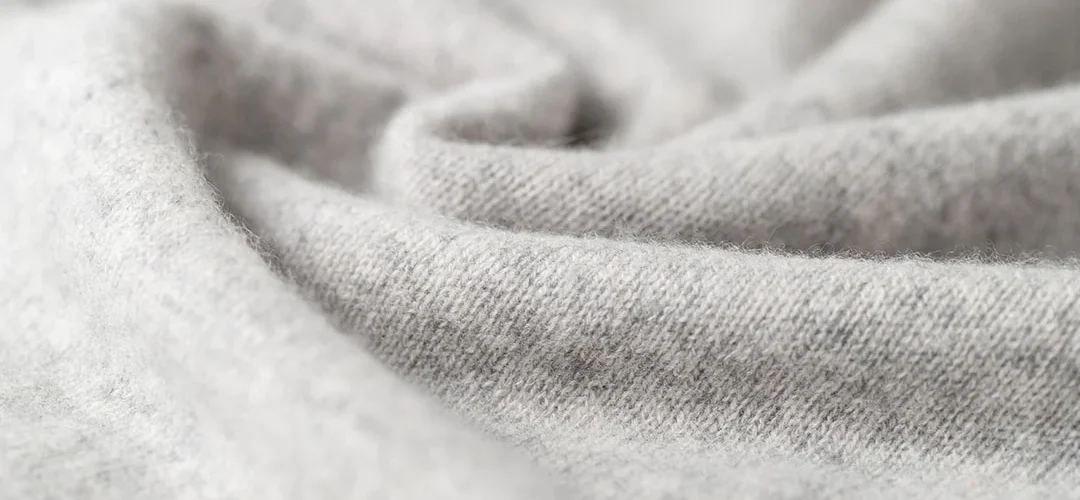
Cashmere and Knitwear: Loro Piana, Cucinelli and Their Peers
There is a particular quality to exceptional cashmere that becomes apparent before anyone looks at the label. It is found in the weight of the garment, the way the fabric falls against the body and the extraordinary softness of fibres that have been carefully selected, spun and finished. The difference can be subtle, particularly to someone encountering fine cashmere for the first time, but it becomes increasingly recognisable with experience.
Few houses have shaped the modern understanding of luxury knitwear more than Loro Piana and Brunello Cucinelli. Both have become synonymous with understated Italian elegance, both command considerable prices, and both occupy a prominent place in wardrobes where craftsmanship is valued above conspicuous branding. Yet the similarities conceal two rather different approaches to making clothes.
Loro Piana’s reputation was built on its command of extraordinary raw materials. Brunello Cucinelli established his through colour, design and a particular philosophy of Italian living. Understanding that distinction offers a more useful introduction to luxury cashmere than comparing the prices of their most expensive jumpers.
Beyond them lies a broader world of specialist mills, family-owned manufacturers and independent knitwear houses, some with textile histories extending back generations. Their work raises a question worth considering whenever a cashmere garment carries a substantial price: how much of its value lies in the fibre, how much in the making, and how much in the name?
Loro Piana: The Pursuit of Exceptional Fibre
The story of Loro Piana begins in the textile industry of northern Italy, rather than in the fashion salons of Milan or Paris. Established in 1924 in Quarona, Piedmont, the family business developed its reputation through the sourcing and processing of fine wool and other exceptional fibres, supplying materials long before its finished garments became internationally recognised.
That background remains central to understanding the house. Where many luxury fashion businesses begin with a designer’s aesthetic and subsequently develop relationships with textile suppliers, Loro Piana’s expertise grew from the materials themselves. Its knowledge of fibre quality, sourcing and processing became the foundation upon which the clothing business was built.
The distinction is particularly evident in its approach to cashmere. The company has established longstanding relationships with suppliers in Mongolia and China, where the fine undercoat of cashmere goats is collected and processed into fibres suitable for spinning. Quality depends on far more than the geographical origin of the wool. Fibre diameter, length, colour, cleanliness and consistency all influence the finished yarn.
The finest material is selected for particular applications, with different grades suited to lightweight knitwear, heavier garments and woven fabrics. Much of the expertise lies in knowing how to preserve the character of the fibre through the processes that follow.
The Difference Between Cashmere and Baby Cashmere
Among Loro Piana’s best-known materials is baby cashmere, obtained from the exceptionally fine undercoat of young cashmere goats during their first year.
The house describes fibres measuring approximately 13.5 microns in diameter, compared with around 15 microns for its selected adult cashmere. A micron is one-thousandth of a millimetre, and although the numerical difference appears small, fibre fineness can have a meaningful influence on how a fabric feels against the skin.
The amount collected from each young animal is also extremely limited. Loro Piana has described yields of approximately 30 grams of usable fibre per kid, which helps explain both the scarcity of the material and the care required in its production.
Yet fineness is only part of the equation. A very fine fibre that is too short, poorly spun or loosely knitted may produce a garment that feels wonderfully soft when new but deteriorates more quickly than expected. The challenge for a manufacturer is to balance softness with strength, elasticity and longevity.
This is where a textile specialist’s knowledge becomes valuable. The objective is not simply to produce the softest possible jumper in the fitting room, but to create a fabric whose character survives repeated wear and appropriate care.
For the buyer, the difference between ordinary cashmere and an exceptional baby cashmere garment should be considered in terms of the entire product. The fibre may be rare, but the quality of the spinning, knitting, construction and finishing remains equally important.
Vicuña and the Limits of Rarity
Loro Piana’s involvement with vicuña has become another defining part of its identity. The animal, native to the high Andes of South America, produces an extraordinarily fine fleece that has been prized for centuries.
Unlike domesticated cashmere goats, vicuñas are wild animals, and their fibre is collected through regulated systems intended to support conservation and sustainable use. The traditional Andean gathering practice known as the chaccu involves bringing animals together for shearing before releasing them.
The fibre is exceptionally fine, commonly described in the region of 12 to 13 microns, and its natural colour and limited availability make it one of the most distinctive materials used in luxury textiles.
Rarity, however, should not be confused with an automatic guarantee of quality or ethical production. The provenance of the fibre, the treatment of the animals, the participation of local communities and the transparency of the supply chain all deserve scrutiny.
An expensive garment may represent remarkable textile expertise, but its price alone cannot establish how responsibly its raw material was obtained.
For readers interested in exceptional fibres, that distinction is becoming increasingly important. Knowledge of a material should extend beyond its softness and scarcity to the conditions under which it reaches the finished garment.
Brunello Cucinelli: Colour, Culture and Italian Knitwear
Brunello Cucinelli approached cashmere from a different direction. When he founded his business in 1978, his early innovation was to introduce colour to a material traditionally associated with conservative palettes and established luxury wardrobes.
Dyed cashmere was not itself a new invention, but Cucinelli recognised an opportunity to give fine knitwear a more contemporary identity. His collections developed around soft, carefully balanced colours, combining the tactile qualities of cashmere with a relaxed interpretation of Italian elegance.
Over time, the business expanded into tailoring, outerwear, footwear and accessories, creating a coherent wardrobe built around an identifiable way of dressing. Its familiar palette of stone, tobacco, cream, grey and muted earth tones has become influential far beyond the company itself.
The appeal is not primarily about obtaining the rarest possible fibre. It lies in the relationship between materials, colour and silhouette. A softly structured jacket, fine-gauge knit and relaxed trouser are intended to work together, producing a complete appearance without requiring obvious decorative statements.
That design language is now widely imitated, but the original house retains a particular identity through its construction, finishing and approach to proportion.
The Philosophy of Solomeo
The village of Solomeo, in Umbria, has become inseparable from Brunello Cucinelli’s identity. The founder began restoring the medieval hamlet and established it as the centre of his business, developing a philosophy he calls humanistic capitalism.
His stated ambition has been to reconcile commercial success with the dignity of work, cultural preservation and the wellbeing of employees. The company’s investment in the village, its cultural institutions and its school of craftsmanship forms part of that broader vision.
For a luxury manufacturer, the idea is significant. A garment is the result of many separate forms of labour, from fibre processing and knitting to cutting, finishing and inspection. The conditions in which that work takes place are part of its history, even when they leave no visible trace on the finished piece.
Cucinelli’s philosophy provides an interesting perspective on how a modern luxury business presents its responsibilities. Nevertheless, the claims of any manufacturer should be assessed through its actual practices and independently verifiable standards, rather than accepted solely because they form an attractive corporate narrative.
The importance of Solomeo lies partly in the questions it raises about the relationship between craftsmanship, employment and the communities in which luxury goods are made.
The Monili Signature
One of Brunello Cucinelli’s most recognisable design elements is monili, the fine metallic beading used across selected garments and accessories.
The detail can appear along a neckline, cuff, seam or other carefully chosen point, introducing a subtle decorative element into otherwise restrained clothing. It has become particularly associated with the house’s womenswear.
Monili illustrates an interesting distinction between the two Italian brands. Loro Piana often allows the material itself to provide the principal expression of luxury, while Cucinelli is more willing to introduce a recognisable design signature.
Neither approach is inherently superior. A plain cashmere crew neck and a finely embellished knit serve different purposes, and the most appropriate choice depends on the wearer’s preferences.
For someone seeking the greatest possible versatility, an unadorned garment may be easier to combine with the rest of a wardrobe. A monili-trimmed piece, however, may offer a more distinctive expression of personal style.
The question is whether the detail contributes to the garment’s appeal over time, rather than merely identifying its maker.
Loro Piana or Brunello Cucinelli: Which Is the Better Choice?
The comparison becomes more useful when considered through individual priorities rather than brand prestige.
| Consideration | Loro Piana | Brunello Cucinelli |
|---|---|---|
| Historical strength | Fine fibres and textile expertise | Knitwear design, colour and Italian lifestyle |
| Distinctive materials | Baby cashmere, vicuña and specialist wool | Fine cashmere, wool blends and coordinated textiles |
| Design language | Material-led, restrained and tactile | Relaxed tailoring, layered neutrals and decorative details |
| Wardrobe appeal | Exceptional individual garments | Coordinated knitwear and complete outfits |
| Principal consideration | Fibre quality and performance | Fit, colour, construction and versatility |
A buyer primarily interested in rare fibres may find Loro Piana especially compelling. Someone drawn to a complete wardrobe of relaxed Italian tailoring and coordinated knitwear may prefer Brunello Cucinelli.
Yet these are broad distinctions, not fixed rules. Both houses produce a wide range of garments, and individual pieces should be assessed on their own merits.
An excellent Cucinelli jumper may be preferable to a particular Loro Piana design because it fits better, suits the wearer’s complexion or works more naturally with an existing wardrobe. Equally, an exceptional Loro Piana fabric may offer qualities that are difficult to find elsewhere.
The most informed purchase begins with the garment itself.
The Cashmere Houses Worth Discovering
The prominence of Loro Piana and Brunello Cucinelli can obscure the depth of the wider European knitwear industry. Italy, Scotland and other established textile regions contain manufacturers whose expertise has developed through decades of working with fine fibres.
Some are primarily known for finished clothing, while others have built their reputations as suppliers and specialist knitters. Their products offer different interpretations of luxury, and several deserve consideration alongside the industry’s most recognisable names.
Fabiana Filippi, Umbria
Founded in 1985 in Giano dell’Umbria, Fabiana Filippi has developed a distinctive identity through fine knitwear, soft tailoring and understated womenswear.
The house shares certain regional and aesthetic characteristics with Brunello Cucinelli, particularly its appreciation of neutral colours, relaxed silhouettes and carefully finished fabrics. Yet its collections have their own character, often combining practical wardrobe pieces with delicate decorative elements.
Its signature Filo Diamante detail, a fine metallic chain used on selected garments, introduces a subtle note of ornamentation without overwhelming the clothing.
Fabiana Filippi is especially interesting for women who appreciate refined knitwear but want to explore beyond the most familiar names. Its cashmere jumpers, cardigans and softly structured garments can form the basis of a versatile wardrobe, particularly when chosen in colours that work across several seasons.
The attraction lies in the balance between ease and polish. The clothing is designed to be worn regularly rather than reserved for occasions when the label itself is expected to make an impression.
Agnona, Italy
Agnona has a history rooted in the Italian textile industry, having been established in 1953 as a specialist in fine fabrics.
Its heritage is particularly relevant because many of the qualities that distinguish exceptional knitwear begin long before the garment reaches a designer’s studio. Knowledge of fibre selection, weaving, finishing and the behaviour of different materials can influence the character of the finished clothing in ways that are difficult to reproduce through styling alone.
Agnona’s collections have traditionally emphasised refined wool, cashmere and other fine textiles, often presented through clean silhouettes and restrained colours.
For readers who appreciate luxury clothing primarily through touch and construction, it is a house worth investigating. Its appeal is less dependent on an instantly recognisable visual signature and more closely connected to the textile knowledge behind the garments.
The result can be particularly satisfying in coats, knitwear and softly tailored pieces where the quality of the material is central to the design.
William Lockie, Scotland
Scotland’s knitwear industry provides an important counterpoint to the Italian approach. In Hawick, in the Scottish Borders, William Lockie has been making knitwear since 1874, preserving a tradition associated with fine cashmere, lambswool and other natural fibres.
The house is known for classic shapes, careful knitting and garments intended to remain useful over many years. Its appeal is particularly strong for those who value consistency rather than seasonal reinvention.
A well-made Scottish cashmere jumper may have a different character from an exceptionally soft Italian luxury knit. Depending on the yarn and construction, it can feel firmer and more substantial when new, gradually developing softness through wear and appropriate washing.
This should not be mistaken for inferior quality. The way a garment is knitted, its density and the characteristics of the yarn can all influence durability and performance.
William Lockie is worth considering for dependable wardrobe staples, particularly crew necks, V-necks and cardigans whose proportions have been refined over generations.
Johnstons of Elgin, Scotland
Johnstons of Elgin offers another perspective on luxury cashmere, with a textile history extending back to 1797.
The Scottish manufacturer combines fibre processing and textile production with finished knitwear and accessories, giving it a longstanding relationship with the materials it uses. Its work encompasses cashmere, fine wool and other natural fibres, with an emphasis on traditional manufacturing knowledge.
The company’s scarves and blankets are well known, but its knitwear deserves equal attention. Classic silhouettes and carefully selected yarns make it particularly relevant to a wardrobe built around longevity.
For a buyer interested in the relationship between raw material and finished garment, Johnstons offers an opportunity to explore a manufacturing tradition distinct from the contemporary Italian luxury houses.
Its products also demonstrate that exceptional cashmere need not always be associated with the highest-profile fashion labels.
How to Recognise Exceptional Cashmere
The word cashmere describes a category of fibre, not a guaranteed level of quality. Two garments carrying the same material label can differ substantially in softness, durability, weight and performance.
Fibre diameter is one consideration, but it is not the only one. The length of the fibres matters because longer fibres can be spun into yarns with greater cohesion, helping reduce the tendency for loose ends to work their way to the surface.
Shorter fibres can contribute to pilling, although pilling is influenced by several factors, including yarn construction, knitting density, finishing and friction during wear.
A garment that feels extraordinarily soft in the shop may have been treated or finished to create an immediate impression. That sensation can be attractive, but it should not be confused with a guarantee of longevity.
What to Examine Before Buying
| Quality | Why it matters |
|---|---|
| Fibre fineness | Influences softness and how the fabric feels against the skin |
| Fibre length | Contributes to yarn strength and resistance to shedding |
| Yarn construction | Affects stability, texture and durability |
| Knitting density | Influences shape retention, warmth and the character of the garment |
| Finishing | Changes the surface feel and appearance |
| Construction | Determines how well seams, necklines and cuffs perform |
| Care requirements | Influences the garment’s practical lifespan |
A useful first test is to examine the garment in natural light. Look for an even surface, consistent knitting and carefully finished seams. Gently handle the fabric to understand its weight and elasticity, paying particular attention to whether the cuffs and hem recover their shape.
The neckline is another revealing detail. A poorly constructed collar can stretch or distort long before the rest of the garment shows significant wear.
It is also worth considering the intended use. An extremely fine, lightweight cashmere jumper may be ideal beneath tailoring but less suitable for frequent wear as an outer layer. A denser knit may provide greater resilience for everyday use, even if it initially feels less delicate.
The most expensive garment is not necessarily the most appropriate one.
The Resale Reality of Luxury Cashmere
Luxury fashion is frequently described in the language of investment, but knitwear rarely behaves like a collectible watch, a significant artwork or an exceptional gemstone.
Cashmere garments are worn against the body, exposed to friction and affected by washing, storage and the natural ageing of fibres. Even when they are beautifully maintained, their condition changes with use.
The secondary market reflects this reality. A jumper that originally carried a substantial retail price may sell for a relatively small proportion of that amount, particularly if it belongs to a familiar seasonal collection or shows signs of wear.
Rare materials, desirable discontinued designs and exceptional condition can influence resale demand, but there is no reliable rule that a more expensive cashmere garment will retain a higher percentage of its original price.
Nor should the presence of a famous label be mistaken for guaranteed liquidity. Buyers of second-hand knitwear must consider condition, authenticity, sizing and the possibility that the garment has been altered or cared for incorrectly.
This makes the concept of an investment piece worth examining more carefully.
A cashmere jumper may be an excellent investment in comfort, versatility and years of enjoyment without being a financial investment at all. Its value to the owner can be considerable even when its resale value is modest.
For someone who buys clothing to wear rather than to trade, cost per wear and long-term satisfaction are usually more meaningful measures than the prospect of recovering the original purchase price.
The Question of Price
The difference between a moderately priced cashmere jumper and one costing several thousand pounds cannot always be explained through fibre quality alone.
Exceptional raw materials can be expensive, particularly when supply is limited and selection standards are demanding. Skilled labour, specialist manufacturing and careful finishing also contribute to the cost.
Yet luxury pricing includes other considerations: design development, retail operations, distribution, marketing, brand positioning and commercial margins.
This does not diminish the value of genuinely exceptional garments. It simply means that price should be understood as the result of an entire business model rather than a direct measurement of textile quality.
A knowledgeable buyer can therefore approach luxury knitwear with greater independence. There may be good reasons to purchase a particular Loro Piana or Brunello Cucinelli garment, but those reasons should be found in its material, fit, construction and design.
There may also be occasions when a less familiar specialist produces a garment that meets the buyer’s needs equally well.
The most rewarding approach is to compare the clothes themselves, rather than assuming that the hierarchy of retail prices accurately reflects the hierarchy of craftsmanship.
Caring for Cashmere Properly
Even exceptional cashmere requires appropriate care. Its softness and warmth come from natural fibres that respond to moisture, friction, heat and handling.
One of the simplest ways to extend the life of a cashmere garment is to allow it to rest between wears. Airing can help refresh knitwear, while careful storage reduces unnecessary stretching and abrasion.
Washing should follow the manufacturer’s instructions. Some garments can be hand-washed using a suitable detergent and cool water, while others require specialist cleaning because of their construction, embellishment or combination of materials.
Wet cashmere should generally be handled gently and dried flat, away from direct heat. Hanging a heavy wet jumper can distort its shape, particularly around the shoulders and neckline.
Pilling is not necessarily evidence of poor quality, especially during the early life of a garment, but persistent excessive pilling can indicate issues with fibre length, yarn construction or the way the garment is being worn.
A suitable cashmere comb or fabric shaver can help maintain the surface, provided it is used carefully.
Storage deserves equal attention. Clean, completely dry knitwear should be folded rather than hung for extended periods, and appropriate protection against clothes moths is particularly important for valuable natural fibres.
Good care cannot transform mediocre cashmere into exceptional cashmere, but it can preserve the qualities of a well-made garment for considerably longer.
The Value of Knowing What You Are Wearing
Loro Piana and Brunello Cucinelli have become influential because they offer distinct interpretations of luxury knitwear. One is deeply associated with the pursuit of extraordinary fibres; the other has developed a recognisable world of colour, tailoring and Italian craftsmanship.
Their success has encouraged a broader appreciation of cashmere, but it has also made the category more susceptible to assumptions about price, prestige and quality.
The interesting discoveries often begin beyond the most familiar labels, with textile specialists and longstanding manufacturers whose work is appreciated for the materials and techniques involved.
An exceptional cashmere garment deserves attention because of how it has been made and how it performs over time. Its softness may provide the first impression, but the more meaningful qualities become apparent through years of wear.
The finest knitwear eventually becomes familiar in a way that is difficult to reproduce with something new. It is reached for without hesitation, worn across different occasions and maintained because replacing it would be less satisfying than continuing to enjoy it.
That is perhaps the most convincing measure of luxury cashmere: not how much attention it attracts when first purchased, but how difficult it becomes to imagine a wardrobe without it.
Frequently Asked Questions
What is the difference between Loro Piana and Brunello Cucinelli cashmere?
Loro Piana is particularly associated with rare fibres, textile sourcing and materials such as baby cashmere and vicuña. Brunello Cucinelli is known for fine knitwear, distinctive colour palettes and relaxed Italian design. Both produce luxury cashmere, but their historical strengths and design approaches differ.
Is Loro Piana cashmere better than Brunello Cucinelli?
Neither house is universally superior. The quality of an individual garment depends on its fibre, yarn, construction, finishing and intended use. Loro Piana may appeal particularly to buyers interested in exceptional raw materials, while Brunello Cucinelli offers a distinctive approach to knitwear and coordinated clothing.
What is baby cashmere?
Baby cashmere is an exceptionally fine fibre collected from young cashmere goats during their first year. Loro Piana describes its baby cashmere as measuring approximately 13.5 microns, making it finer than much conventional adult cashmere. Its scarcity and delicate character contribute to its premium positioning.
Which luxury cashmere brands are worth knowing?
Alongside Loro Piana and Brunello Cucinelli, houses worth exploring include Fabiana Filippi, Agnona, William Lockie and Johnstons of Elgin. Each has a different approach to fine knitwear, from Italian fashion and textile expertise to traditional Scottish manufacturing.
Does expensive cashmere always last longer?
No. Longevity depends on fibre length, yarn construction, knitting density, garment design and care. A very expensive lightweight jumper may be more delicate than a less costly, densely knitted garment intended for regular wear.
Does luxury cashmere hold its resale value?
Cashmere garments generally depreciate with wear, and resale prices depend on condition, brand, design, rarity and demand. Certain exceptional pieces may attract stronger interest, but luxury knitwear should usually be purchased for its quality and enjoyment rather than as a financial investment.
EXPLORE LXRY
_____________
From exceptional travel and private experiences to fine watches, fashion, interiors and specialist services, LXRY connects readers with a carefully selected network of luxury businesses.
Many of the hotels and specialists we write about are ones we have known and worked with over the past decade. If something here has caught your interest, tell us what you have in mind and we will point you in the right direction.
Enquire Now