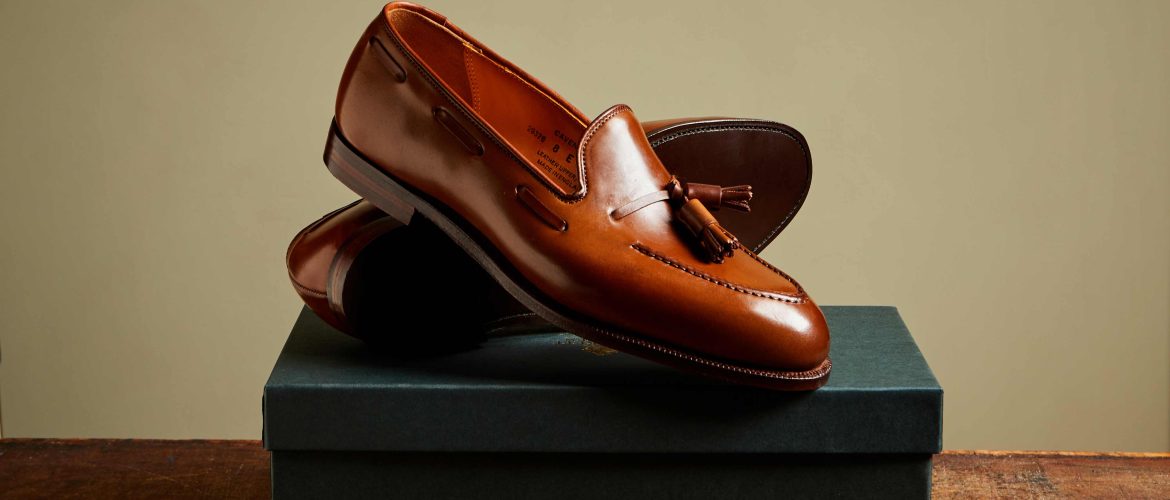
Quiet Luxury Shoes: Loafers, Sneakers and Boots
A beautifully made shoe reveals considerably more about its wearer than the name stamped inside it. The shape of the last, the way leather folds across the foot, the precision of a welt and the balance between sole and upper are details that become apparent with use. They are also qualities that cannot be convincingly reproduced through branding alone.
For years, luxury footwear was dominated by recognisable trainers, exaggerated soles and limited-edition collaborations. Those shoes have not disappeared, nor should they. But the renewed interest in loafers, elegant boots and slimmer trainers reflects a broader appreciation of footwear that works with clothing rather than competing for attention.
The most interesting quiet luxury shoes are not necessarily the plainest. A beautifully gathered leather vamp, an unusually supple suede or a sculptural heel can give a shoe considerable character without making it conspicuous. What matters is the quality of the design and the intelligence of its construction.
For those who already own a considered wardrobe, footwear is often where the smallest change makes the greatest difference. A different toe shape can transform the proportions of a trouser. A softer loafer can make tailoring feel less formal. A carefully chosen boot can give familiar clothing an entirely different character.
The question is no longer simply whether a shoe is fashionable, but whether it deserves to be worn long after the season that introduced it.
The Return of the Proper Shoe
The popularity of trainers changed the way people dressed. Their comfort made them an acceptable companion to tailoring, while increasingly elaborate designs became status symbols in their own right. At the height of the luxury trainer boom, a limited release could command more attention than an exceptionally made pair of leather shoes.
The renewed interest in loafers, derbies and refined boots does not necessarily represent a return to formal dressing. Instead, it suggests that comfort and elegance are being reconciled in a different way. Softer construction, flexible soles and relaxed proportions have made traditional footwear more adaptable to contemporary wardrobes.
A loafer can now accompany wide-leg trousers, denim or a softly tailored suit without looking excessively formal. Women are wearing polished leather shoes with relaxed clothing, while men are increasingly pairing unstructured jackets with suede loafers and lighter boots.
The result is a more interesting relationship between casual and formal dressing. The boundaries have become less rigid, allowing the same shoe to work across occasions that once demanded entirely different wardrobes.
What has returned is an appreciation of shape. A beautifully balanced shoe can bring order to an outfit without becoming its centrepiece.
The Loafer: The Quiet Luxury Essential
Few shoes have adapted as successfully to changing fashions as the loafer. Its appeal lies in an unusual combination of practicality and refinement. Without laces, it has a natural ease, yet its construction can be every bit as sophisticated as that of a formal Oxford or derby.
The difference between an ordinary loafer and an exceptional one is often found in the last, the foot-shaped form around which the shoe is made. A well-designed last determines the relationship between the toe, instep, heel and overall silhouette. It can make a relatively simple shoe appear elegant even before the leather and finishing are considered.
The finest examples also demonstrate an understanding of movement. Leather should flex naturally across the vamp, while the heel should remain secure without excessive pressure. A soft shoe that slips constantly is no more successful than a rigid one that looks beautiful but becomes uncomfortable after an hour.
The Gathered Vamp
One of the more interesting developments in contemporary loafers is the renewed appreciation of gathered leather across the vamp. The detail has its origins in moccasin construction, where leather is shaped around the foot and joined to the upper through visible stitching.
The gathered effect introduces softness and texture to a shoe that might otherwise appear severe. In suede, it can look particularly attractive, allowing the natural character of the material to become part of the design. Smooth calfskin produces a different result, with the folds catching light and giving the shoe a more sculptural appearance.
The Row has helped bring this softer vocabulary into contemporary luxury fashion, but the technique itself is considerably older than the current interest in understated dressing. Its enduring appeal comes from the way it allows leather to express movement and craftsmanship.
A gathered loafer works particularly well with fluid trousers, relaxed tailoring and garments that have a natural drape. The softness of the shoe complements the clothing rather than introducing an unnecessarily rigid finish.
The Case for Suede
Suede is among the most expressive materials in luxury footwear. Its surface absorbs light, softens strong silhouettes and develops subtle variations in tone as it is worn.
Chocolate, tobacco, taupe and deep navy are especially versatile colours. A chocolate suede loafer can work with cream linen in summer, charcoal flannel in autumn and dark denim throughout the year. Its adaptability makes it one of the more useful additions to a considered wardrobe.
Quality is not determined by softness alone. The density and consistency of the nap, the quality of the underlying hide and the way the material has been finished all influence how the shoe will age.
Suede also requires realistic expectations. It can be remarkably durable when properly maintained, but it is not indifferent to moisture, oil or abrasion. A suitable protective treatment, a dedicated brush and appropriate storage can preserve its appearance considerably longer than neglect followed by occasional intensive cleaning.
A beautiful suede shoe should acquire character through wear without being allowed to deteriorate.
The Shoemakers Worth Discovering
The familiar luxury houses offer excellent footwear, but some of the most compelling work comes from specialist makers whose reputations have developed through construction, fit and the loyalty of knowledgeable customers.
Their approaches vary considerably. Some preserve traditional hand-welted shoemaking, while others have refined softer forms intended for modern wardrobes. What unites them is an attention to the shoe as an object rather than a vehicle for a recognisable name.
Baudoin & Lange, London
Baudoin & Lange has built its identity around the Belgian-style loafer, a shoe distinguished by its soft construction, elegant proportions and characteristic bow detail.
Its approach is particularly interesting because it brings the comfort of a slipper into footwear intended to be worn beyond the home. The uppers are designed to move naturally with the foot, while the silhouette remains sufficiently refined to accompany tailoring.
The result is a loafer that occupies a useful space between traditional dress shoes and casual footwear. It can be worn with lightweight wool trousers, linen or relaxed suiting, and its relatively understated appearance allows the materials and proportions to remain the focus.
For readers accustomed to heavily structured leather shoes, Baudoin & Lange offers a different interpretation of luxury: one in which flexibility and ease are central to the design.
Edward Green, Northampton
Edward Green represents a more traditional expression of English shoemaking. Established in Northampton in 1890, the house is known for its carefully developed lasts, refined leather selection and Goodyear-welted construction.
Its Dover derby is particularly admired for its distinctive apron and split-toe construction. The design has become an important reference among enthusiasts of English footwear, although its appeal is far less obvious to someone unfamiliar with the craft.
The beauty of an Edward Green shoe lies in its proportions and finishing. The relationship between toe shape, waist and heel is carefully resolved, while the leather develops character through polishing and wear.
Goodyear-welted construction also offers a practical advantage. When the sole eventually wears down, it can generally be replaced by a suitably skilled repairer, allowing the shoe to remain in service for many years.
For a wardrobe built around longevity, this capacity for maintenance is as meaningful as the original craftsmanship.
Stefano Bemer, Florence
Stefano Bemer belongs to the Florentine tradition of fine shoemaking, where the relationship between maker and client has historically been central to the craft.
The house is particularly associated with bespoke and carefully made leather footwear, combining traditional construction with an Italian sensitivity to shape and proportion. Its shoes can be elegant without appearing severe, and the finishing often reveals an appreciation of the leather’s natural character.
Bespoke shoemaking offers something fundamentally different from selecting a standard size. The process can account for individual measurements, the shape of the foot and particular preferences concerning fit and style. It is not automatically necessary for everyone, but it can be valuable for someone who has consistently struggled to find comfortable, well-proportioned ready-made shoes.
The appeal of Stefano Bemer lies in this attention to the individual, together with a distinctly Florentine approach to design.
Saint Crispin’s, Romania
Saint Crispin’s has developed a following among serious footwear enthusiasts for its hand-welted construction, distinctive lasts and extensive opportunities for personalisation.
Its shoes are made in Romania, drawing on traditional methods that require considerable manual skill. The shaping of the waist, the finishing of the sole and the precision of the stitching are all details that reward close examination.
One of the most interesting aspects of Saint Crispin’s is the ability to adjust details of the shoe to suit individual preferences. Leather, colour, sole treatment and aspects of fit can be considered as part of the ordering process, depending on the service selected.
This makes the house particularly relevant to someone building a long-term wardrobe. Rather than purchasing several pairs that are almost right, a client can devote greater attention to choosing a pair that works with the clothes they already own.
The New Minimalist Trainer
The luxury trainer has undergone an interesting change in proportion. After years in which substantial soles and conspicuous design features dominated, slimmer silhouettes have returned to prominence.
A low-profile trainer creates a different relationship with clothing. It allows the hem of a trouser to fall more naturally and avoids introducing unnecessary bulk beneath a tailored silhouette. This is particularly effective with wider trousers, where the balance between fabric volume and footwear becomes important.
The most versatile examples tend to use restrained colours and relatively simple construction. Cream leather, chocolate suede, soft grey and navy can all integrate easily into an existing wardrobe.
Yet minimalism should not be mistaken for quality. A plain trainer made from mediocre leather and poorly constructed components is still an ordinary shoe, regardless of how discreet its appearance may be.
Comfort also deserves more consideration than it sometimes receives in fashion discussions. A very thin sole may create an elegant profile but provide insufficient support for someone who spends much of the day walking. The right choice depends on the wearer and the intended use.
A quiet luxury trainer should be comfortable enough to earn regular wear, rather than simply attractive when photographed.
The Sneakerina and the Changing Shape of Casual Footwear
One of the more unusual developments in women’s footwear is the emergence of the sneakerina, a hybrid combining elements of the ballet flat with those of a trainer.
Its appearance reflects a broader interest in slimmer, softer footwear. Instead of relying on a substantial athletic sole, the design borrows from the delicate proportions of dance shoes while retaining aspects of trainer construction.
Prada and Puma have explored versions of this idea, although their interpretations occupy different positions within the market. Some designs are clearly fashion statements, while others offer a genuinely useful alternative to conventional trainers.
The sneakerina is not an essential component of a timeless wardrobe, and its current popularity may prove relatively short-lived. Nevertheless, it illustrates how the language of casual footwear is evolving, particularly as designers experiment with the boundary between athletic and formal shoes.
For those who enjoy contemporary fashion, it offers a playful variation on the minimalist trainer without requiring an entirely new approach to dressing.
Boots With Character
A good boot introduces structure to an outfit in a way that lighter footwear rarely can. Its height, sole and relationship with the ankle can alter the proportions of trousers and outerwear, making it an important consideration in a carefully assembled wardrobe.
The Chelsea boot remains one of the most versatile options. Its clean upper, absence of laces and relatively simple construction allow it to work with tailoring as well as denim. In smooth calfskin, it can appear polished and formal; in suede, it becomes softer and more relaxed.
The most successful examples have a balanced toe shape and a shaft that sits neatly beneath the trouser. Excessive bulk around the ankle can interrupt the line of the leg, particularly when worn with narrower trousers.
For women, a softly structured ankle boot or a refined knee-high design can serve a similar purpose. The relationship between heel height, shaft width and the hem of a skirt or trouser determines whether the result feels effortless or awkward.
Berluti offers an interesting example of how traditional leatherworking can be adapted to contemporary boot design. The house’s Venezia leather and distinctive patina techniques demonstrate the expressive possibilities of carefully finished calfskin, while its more relaxed silhouettes show how formal shoemaking traditions can accommodate modern wardrobes.
However, the best boot is ultimately the one that suits the climate, the wearer and the clothing with which it will be worn. A beautiful leather sole may be appropriate for certain settings, while a discreet rubber sole can offer far greater practicality in wet weather.
The Unexpected Appeal of the Slipper
Perhaps the most intriguing development in luxury footwear is the movement of slipper-inspired designs beyond the home.
Soft leather mules, velvet slippers and delicate brocade shoes have appeared alongside tailoring, long coats and carefully styled casual clothing. Their appeal lies partly in their informality. They suggest a relaxed approach to dressing in which comfort is no longer something that must be concealed.
The idea is not entirely new. Velvet slippers have a long association with evening dress, particularly in British formalwear, while soft indoor shoes have influenced luxury fashion for generations.
What has changed is the context. A slipper-inspired shoe can now appear with wide-leg trousers and a substantial coat, creating a contrast between the softness of the footwear and the structure of the clothing.
The Row has explored this territory through delicate flats and slipper-like designs, while traditional makers continue to produce more conventional interpretations in velvet and fine leather.
There is, however, an important distinction between a slipper designed for outdoor wear and an actual indoor slipper. Sole construction, grip, durability and weather resistance all matter. A delicate brocade upper may be beautiful, but it is unlikely to be the most practical choice for an extended walk through a wet city.
The most successful examples preserve the relaxed appearance of indoor footwear while providing sufficient construction for the environment in which they will be worn.
What Exceptional Footwear Reveals
The quality of a shoe becomes easier to understand once attention moves beyond its appearance. Several details are particularly useful when assessing whether a pair deserves its price.
| Detail | What to examine |
|---|---|
| The last | Whether the toe, instep and heel create a balanced shape suited to the foot |
| Leather | Consistency, suppleness, finish and how the material responds to movement |
| Construction | Whether the method suits the shoe’s intended use and allows appropriate repair |
| Stitching | Precision, consistency and the quality of visible finishing |
| Sole | Flexibility, grip, durability and suitability for the intended environment |
| Fit | Secure heel, comfortable instep and adequate space for the toes |
Traditional construction methods deserve appreciation, but none is universally superior. A hand-welted leather shoe and a lightweight flexible loafer serve different purposes. The former may offer exceptional longevity and repairability, while the latter may provide a degree of softness that a more structured shoe cannot match.
The same applies to materials. Full-grain leather can be an excellent choice, but the quality of tanning, finishing and construction remains important. Suede is not inherently less luxurious than polished calfskin, nor is a heavy sole necessarily better than a light one.
What matters is the relationship between material, design and intended use.
The Value of Looking After What You Own
A beautifully made shoe can deteriorate quickly if it is worn without care. Conversely, an excellent pair that receives regular attention can remain attractive and useful for many years.
Leather shoes benefit from being allowed to dry naturally between wears, particularly when they have been exposed to moisture. Shoe trees can help preserve shape and manage residual moisture, while appropriate conditioners and polishes protect the surface without overwhelming it.
Suede requires a different approach. A suitable brush helps restore the nap, while protective treatments can reduce the risk of staining. Delicate materials such as satin, velvet and fine suede require particular care, especially when worn outdoors.
The sole deserves equal attention. A worn heel or damaged sole should be addressed before the problem begins to affect the upper or the structure of the shoe. For footwear designed to be repaired, an experienced cobbler can be an important part of its long-term maintenance.
It is also worth understanding that some luxury shoes are not intended for constant use. A delicate evening slipper, a fine leather-soled loafer and a weather-resistant boot have different strengths. Expecting one pair to perform every function is rarely sensible.
A considered wardrobe makes room for those distinctions, allowing each shoe to be worn where it performs best.
Choosing Shoes That Belong to Your Wardrobe
The most useful way to select footwear is to begin with the clothes already owned. A wardrobe dominated by relaxed tailoring may benefit from soft loafers and low-profile trainers, while one built around dresses and long coats may call for elegant boots and carefully proportioned flats.
Colour should be considered in the same way. Chocolate suede can be exceptionally versatile with warm neutrals, while black calfskin may be more useful for someone whose wardrobe centres on charcoal, navy and deeper tones. Burgundy, dark olive and tobacco can introduce character without becoming difficult to combine.
There is little value in buying a celebrated shoe if its shape does not suit the wearer’s proportions or if its construction makes it uncomfortable. Equally, a lesser-known maker should not be chosen merely for the satisfaction of owning something obscure.
The most successful quiet luxury shoes are those that become familiar through use. They fit properly, work naturally with the wardrobe and develop a character that reflects the life of the person wearing them.
A good shoe may be admired for its craftsmanship, but its real achievement is more personal. It allows its owner to move through the day comfortably and confidently, with no need to think about what is on their feet.
Frequently Asked Questions
What are quiet luxury shoes?
Quiet luxury shoes are footwear distinguished by refined design, quality materials and considered construction rather than conspicuous branding. They can include loafers, trainers, boots, flats and formal shoes, provided the emphasis is on craftsmanship, comfort and proportion.
Which brands make quiet luxury shoes?
Specialist makers such as Baudoin & Lange, Edward Green, Stefano Bemer and Saint Crispin’s are worth exploring for their approaches to leather, construction and fit. Established luxury houses also produce understated footwear, although brand recognition alone does not determine quality.
Are loafers considered quiet luxury?
Yes. Well-made loafers are among the most versatile forms of understated luxury footwear. Their appeal lies in their proportions, leather quality and ability to work with both tailored and casual clothing.
Can trainers be part of a quiet luxury wardrobe?
Certainly. Low-profile trainers in leather or suede can complement a refined wardrobe, particularly when their colours and proportions work naturally with the clothing. Comfort and construction remain important considerations.
Are suede shoes difficult to maintain?
Suede requires appropriate care but can be durable when maintained properly. Regular brushing, suitable protective treatments and avoiding prolonged exposure to moisture help preserve its appearance.
What makes an expensive shoe worth buying?
The most meaningful qualities are fit, materials, construction, comfort and longevity. A higher price may reflect skilled labour and exceptional craftsmanship, but it does not automatically guarantee that a shoe will be more comfortable or suitable for its owner.
EXPLORE LXRY
_____________
From exceptional travel and private experiences to fine watches, fashion, interiors and specialist services, LXRY connects readers with a carefully selected network of luxury businesses.
Many of the hotels and specialists we write about are ones we have known and worked with over the past decade. If something here has caught your interest, tell us what you have in mind and we will point you in the right direction.
Enquire Now