The Quiet Luxury Aesthetic: Colour, Fabric and Restraint
The quiet luxury aesthetic is often reduced to a familiar collection of images: a camel coat, a cream cashmere jumper, perfectly pressed trousers and an expensive handbag with no visible logo. The clothes are attractive, the colours agreeable and the overall impression unmistakably restrained. Yet the formula explains surprisingly little about why certain outfits possess an elegance that others, assembled from almost identical pieces, fail to achieve.
The difference is usually found in decisions that are easy to overlook. The precise shade of a coat against the wearer’s complexion, the weight of a trouser fabric, the way a jacket follows the shoulder or the contrast between a matte suede shoe and a softly polished leather bag. None of these details requires attention individually, but together they determine whether an outfit feels natural, considered and complete.
This is where restraint becomes interesting. Reducing the number of visible elements places greater importance on those that remain. A simple outfit has fewer opportunities to conceal an awkward proportion or an unsuitable fabric. Its success depends on the relationship between colour, material and silhouette, and on the wearer’s understanding of what suits them.
The most convincing examples have rarely been assembled according to a rigid set of rules. They emerge from experience, from knowing which clothes work and developing the confidence to leave unnecessary details behind.
Restraint Is a Design Decision
One of the enduring references for understated personal style is Carolyn Bessette-Kennedy, whose wardrobe continues to influence contemporary fashion decades after her death. Her clothes were often remarkably simple: long coats, narrow knitwear, clean denim, tailored trousers and shoes without conspicuous decoration.
What made the combinations memorable was their precision. A black coat was chosen for its length and line, a white shirt for the way it sat against the body, and a pair of trousers for their proportions rather than their novelty. Her wardrobe demonstrated how relatively ordinary garments could acquire distinction through consistency and an understanding of personal style.
The Row has explored a related idea through contemporary luxury fashion. Founded by Mary-Kate and Ashley Olsen, the house has developed a reputation for sophisticated construction, exceptional fabrics and silhouettes whose interest often lies in subtle adjustments to familiar forms. A jacket may appear entirely conventional until its shoulder line, sleeve volume or relationship with the trousers becomes apparent.
These examples illustrate something fundamental about the quiet luxury aesthetic. Simplicity is rarely effortless in its construction, even when it appears effortless in the finished outfit. The fewer decorative elements a garment possesses, the more its proportions and materials must contribute.
A beautifully cut navy jacket can be worn repeatedly without becoming tiresome because its interest lies in the quality of the silhouette. Conversely, a poorly proportioned garment does not become sophisticated simply because its branding has been removed.
Restraint is therefore less a question of owning fewer visible details than of understanding which details deserve to remain.
The Colour Palette: Beyond Beige
The popularity of quiet luxury has created an unusually narrow public understanding of its colours. Cream, camel, oatmeal and greige have become almost interchangeable with the aesthetic, particularly across social media, where neutral outfits are easily recognised and reproduced.
These shades have genuine advantages. They combine readily, allow differences in texture to become more visible and can create a harmonious appearance without strong contrast. A warm grey trouser, ivory knit and chocolate suede jacket can be exceptionally elegant when the individual tones are well balanced.
Yet there is nothing inherently luxurious about beige. Its success depends on undertone, fabric and the person wearing it. A pale neutral that looks beautiful in a photograph may drain the complexion in natural daylight, while two expensive garments in slightly incompatible shades of cream can appear less considered together than a much simpler combination of navy and white.
The more interesting approach is to develop a palette around colours that work naturally with the wearer, then introduce variation through depth and texture.
The New Warm Neutrals
Warm oat, aged parchment, stone, camel and soft slate offer alternatives to the cooler greys that dominated much minimalist fashion during the previous decade. Their appeal lies partly in their ability to accommodate natural materials, particularly wool, cashmere, suede and linen.
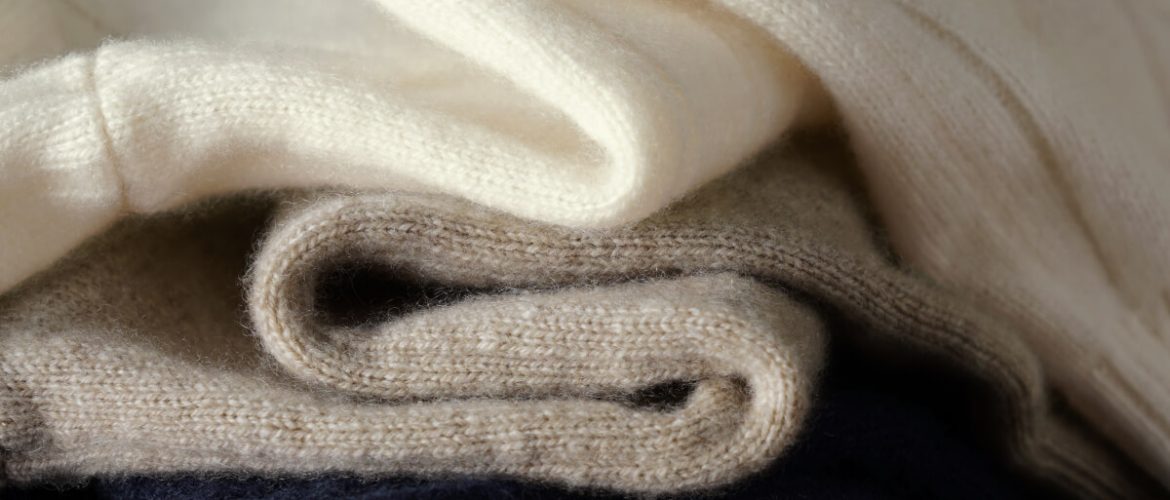
The relationship between colour and fibre is important. A warm grey in tightly woven worsted wool appears quite different from the same shade in brushed cashmere. The latter absorbs and diffuses light, producing subtle variations across its surface. Suede behaves similarly, while polished leather reflects light more directly and can make an otherwise restrained colour appear richer.
Natural fibres also introduce variations that are difficult to reproduce through a flat colour reference. Undyed wool may contain slight differences in tone, while linen’s irregular surface changes the way light moves across the fabric.
These qualities explain why a tonal outfit can possess considerable depth without relying on contrasting colours. An oatmeal knit beneath a camel coat, worn with stone trousers and dark brown shoes, succeeds when the materials have sufficiently different textures and weights.
The objective is harmony rather than exact matching.
Navy, Burgundy and the Value of a Controlled Accent
Navy remains one of the most versatile colours in an understated wardrobe. It offers much of black’s formality while often appearing softer against the skin, particularly in daylight. Deep navy wool, washed indigo denim and midnight-blue knitwear can also be combined without producing the flatness that sometimes results from wearing several identical black fabrics.
Burgundy introduces a different quality. Used in leather accessories, fine knitwear or footwear, it adds richness to a neutral outfit without requiring a dramatic change in silhouette. A burgundy bag against charcoal tailoring or an oxblood loafer beneath navy trousers can provide just enough contrast to make the composition interesting.
Olive, tobacco, muted plum and deep chocolate serve similar purposes. Their effectiveness comes from the way they relate to established wardrobe colours rather than from their status as seasonal trends.
Brighter shades need not be excluded. A golden-yellow bag, for example, can work beautifully with restrained tailoring when its shape is simple and the surrounding colours are carefully chosen. The strength of the colour becomes the principal design feature, allowing the rest of the outfit to remain relatively quiet.
This is an important distinction. Understated style does not require every element to be visually subdued. It requires an understanding of how much emphasis an outfit can accommodate.
The Relationship Between Colour and Fabric
Colour is often discussed as though it exists independently of the material carrying it. In clothing, however, the two are inseparable. A shade that appears flat in synthetic satin may look exceptionally rich in brushed wool, while a dramatic colour can become surprisingly discreet when rendered in suede or washed linen.
The same principle applies to texture. A smooth silk blouse beneath a cashmere cardigan creates a contrast that is both visual and tactile. A structured wool jacket worn with fluid trousers introduces another relationship, allowing the upper half of the outfit to hold its shape while the lower half moves more freely.
These combinations become particularly important when the palette is restrained. Without prominent prints or decorative details, differences in surface, weight and movement provide much of the interest.
The most successful quiet luxury outfits often contain several textures that are individually subtle but collectively expressive.
Linen Beyond Summer
Linen has traditionally been associated with holidays, warm climates and relaxed summer dressing. Its natural creasing and breathable character made it a familiar choice for loose shirts, resort trousers and informal jackets.
Contemporary tailoring has broadened those associations. Linen now appears in sharply cut blazers, fluid dresses and structured trousers intended for city wardrobes as well as coastal settings.
The quality of the fabric and the construction of the garment determine how successfully it makes that transition. A loosely woven linen shirt may be ideal for a hot afternoon, while a denser linen or linen-wool blend can provide sufficient structure for tailored clothing.
Creasing remains part of the material’s character. It is neither a defect nor automatically a virtue. A lightly rumpled linen jacket can look elegant when its shoulders and proportions remain controlled, while excessive creasing in poorly cut trousers may simply make the garment appear neglected.
The distinction lies in choosing the right weight and construction for the intended use.
Linen’s appeal is strongest when its natural qualities are understood rather than disguised. It offers a relaxed texture that can soften formal clothing, particularly when combined with smooth leather, fine cotton or lightweight wool.
Suede and the Appeal of a Matte Surface
Suede has become an increasingly prominent material in contemporary luxury wardrobes, particularly in jackets, coats, bags and footwear. Its appeal is easy to understand. The surface absorbs light, softens the outline of a garment and creates tonal variation through the direction of the nap.
Chocolate suede is particularly effective because it introduces warmth without the shine of polished leather. A suede trench or softly structured jacket can work with fine knitwear and tailored trousers, creating an outfit that feels substantial without appearing rigid.
The material also responds beautifully to colour. Tobacco, sand, olive and deep burgundy acquire depth through suede’s surface, while darker shades can appear softer than their equivalents in smooth leather.
Yet suede requires consideration beyond appearance. Its weight, thickness and finish influence how a garment moves, while exposure to rain, oil and abrasion can affect its surface. A substantial suede coat may be luxurious but unsuitable for certain climates or daily routines.
The most successful purchase is therefore one that accommodates the wearer’s actual life. A beautiful garment that requires constant anxiety about the weather is unlikely to become a dependable wardrobe favourite.
Cashmere, Wool and the Importance of Weight
Cashmere has become closely associated with quiet luxury, but its value extends beyond softness. The finest knitwear demonstrates how fibre selection, spinning and construction influence the way a garment behaves.
A fine-gauge cashmere jumper can sit comfortably beneath a tailored jacket, while a heavier knit provides structure and warmth as an outer layer. The difference is not merely one of thickness. Yarn construction, knitting density and finishing determine how the garment holds its shape and responds to repeated wear.
Wool offers an equally broad range of possibilities. Flannel provides softness and a muted surface, worsted wool creates a cleaner and more formal line, and brushed or textured weaves introduce depth without decorative pattern.
The distinction between materials becomes particularly important in tonal dressing. A charcoal flannel trouser worn with a fine grey knit and a black suede shoe creates interest through differences in texture, even though the colours remain closely related.
For readers interested in the technical qualities of exceptional fibres, our guide to luxury cashmere and knitwear examines the approaches of Loro Piana, Brunello Cucinelli and several specialist manufacturers.
The broader lesson is that fabric should be chosen for its performance and character, not simply for the prestige associated with its name.
Silhouette: The Discipline Behind Effortless Dressing
If colour establishes harmony and fabric introduces character, silhouette determines how an outfit is understood as a whole.
The current preference for softer tailoring has encouraged a more relaxed approach to proportion. Jackets with natural shoulders, fluid trousers and generous coats have become familiar elements of contemporary luxury fashion.
Their appeal lies in movement. A softly constructed jacket follows the body without the rigidity of heavy padding, while a well-cut wide-leg trouser creates a long, uninterrupted line when its length and fabric weight are properly considered.
Yet relaxed tailoring is not synonymous with oversized clothing. A jacket can have generous volume while remaining precise through the shoulder, collar and sleeve. Equally, a trouser may be wide without appearing shapeless if its rise, drape and hem have been carefully resolved.
These distinctions become more important as garments grow less structured. Without the support of substantial internal construction, the fabric and cut must perform more of the work.
The Architecture of a Jacket
The shoulder is one of the most influential details in tailoring. A softly rounded shoulder creates a different impression from a sharply defined one, even when the rest of the jacket remains unchanged.
A natural shoulder can make a blazer feel relaxed and approachable, particularly when worn with knitwear or denim. A more structured shoulder may provide balance for someone who prefers a defined silhouette or wants to create greater contrast with fluid trousers.
Neither approach is inherently more sophisticated. The appropriate choice depends on the wearer’s proportions and the character of the outfit.
Jacket length is equally important. A cropped jacket worn with high-waisted trousers can create a flattering relationship between upper and lower body, while a longer blazer may work better with narrow trousers or a straight skirt.
The familiar rule of thirds can be a useful starting point, but it should not become a rigid formula. Different body shapes, garments and personal preferences require different solutions.
The most successful tailoring appears balanced because its proportions have been considered in relation to the wearer rather than imposed through a universal trend.
Volume Without Excess
Wide-leg trousers, sculptural coats and balloon silhouettes can all belong within a quiet luxury wardrobe, provided their volume has a clear purpose.
A generous trouser cut in fluid wool creates movement and can make an otherwise simple outfit feel contemporary. Paired with a fitted knit or carefully tucked shirt, it establishes a deliberate contrast between the upper and lower halves of the body.
A sculptural coat can serve a similar function. Its shape becomes the principal design element, allowing the clothing beneath it to remain relatively simple.
The difficulty arises when several voluminous pieces compete without a coherent relationship. An oversized jacket, very wide trousers and substantial footwear may work beautifully when their proportions are carefully balanced, but the same combination can appear cumbersome when the individual elements have been chosen without reference to one another.
Restraint in silhouette therefore involves deciding where volume contributes most effectively.
A well-cut garment does not need to be narrow or severe. It needs to possess a shape that makes sense.
Why Minimalism Is Not the Same as Quiet Luxury
Minimalism and quiet luxury share an appreciation of simplicity, but they are not interchangeable.
Minimalism is a broader design philosophy concerned with reduction, clarity and the elimination of unnecessary elements. It can be expressed through inexpensive clothing, industrial materials or deliberately austere environments.
Quiet luxury places greater emphasis on material quality, craftsmanship, proportion and the experience of wearing or using an object. It may adopt minimalist forms, but it can also accommodate colour, texture, ornament and historical references.
A richly coloured silk dress with exceptional draping can be entirely consistent with quiet luxury, even though it would not necessarily be described as minimalist. The same is true of a beautifully made suede coat, a sculptural piece of jewellery or a patterned textile whose quality becomes apparent through close examination.
The distinction matters because the popular interpretation of quiet luxury has sometimes encouraged an unnecessarily restrictive wardrobe. Beige knitwear, black trousers and white shirts have become a visual shorthand for refinement, regardless of whether the garments themselves are particularly well made or flattering.
An understated appearance can be achieved at many price levels. What distinguishes exceptional clothing is the quality of the choices behind it.
The absence of decoration does not compensate for poor construction, and a neutral palette cannot rescue an outfit whose proportions are wrong.
Developing an Aesthetic That Belongs to You
The most convincing personal style is rarely created by adopting an entire aesthetic at once. It develops through repeated decisions, some conscious and others instinctive, until certain colours, fabrics and silhouettes become familiar.
A woman who consistently chooses fluid trousers, fine knitwear and sculptural coats may gradually develop a recognisable way of dressing without ever intending to create a uniform. A man who prefers soft tailoring, suede shoes and restrained colours may achieve the same consistency through an entirely different wardrobe.
The value lies in recognising these preferences and refining them.
This is also why the quiet luxury aesthetic should not be confused with a compulsory shopping list. A wardrobe that already contains beautiful clothing may require little more than alterations, careful maintenance and a better understanding of how its pieces work together.
The occasional unexpected addition can be valuable, particularly when it introduces a new colour, texture or proportion that complements existing garments. But novelty alone is rarely a sufficient reason to buy.
The quiet luxury capsule wardrobe explores this process in greater detail, focusing on how to edit and develop an existing collection rather than replace it.
Ultimately, the most successful aesthetic is one that feels natural to the person wearing it. Its coherence comes from familiarity and judgment, not from the ability to reproduce a particular image.
When Restraint Becomes Predictable
Every widely adopted aesthetic eventually risks becoming a formula. Quiet luxury is no exception.
The popularity of neutral clothing has encouraged an abundance of visually similar outfits, many of which rely on the same combinations of beige knitwear, tailored trousers and discreet leather accessories. Individually, the pieces may be attractive. Collectively, they can begin to feel anonymous.
This is where personal judgment becomes more valuable than adherence to a trend.
An unexpected colour, a beautifully textured fabric or a distinctive silhouette can introduce individuality without undermining restraint. A deep burgundy coat may be more compelling than another camel one, just as a softly structured olive jacket may suit its owner better than a conventional navy blazer.
The objective is not to avoid recognisable fashion altogether. It is to understand which elements genuinely contribute to personal style and which have been adopted simply because they are currently associated with sophistication.
Restraint should make room for character. Otherwise, it risks becoming another form of uniformity.
The Enduring Appeal of Considered Style
Fashion will continue to move between periods of exuberance and restraint. Colours will become brighter, silhouettes more dramatic and familiar garments will be reinterpreted in ways that make previous versions appear temporarily dated.
The principles behind considered dressing are less dependent on those movements.
Colour remains a question of harmony and personal preference. Fabric continues to determine how clothing feels, moves and ages. Proportion shapes the relationship between the garment and the person wearing it.
Understanding these elements offers greater freedom than following any particular aesthetic. It allows someone to appreciate contemporary fashion without feeling compelled to adopt every new direction, and to retain favourite pieces without worrying that they have fallen outside a prescribed definition of luxury.
The quiet luxury aesthetic is most convincing when it becomes an expression of individual judgment. Its restraint is visible, but the knowledge behind it is accumulated gradually, through experience, curiosity and an appreciation of good design.
The result is a wardrobe whose elegance belongs to its wearer rather than to the moment in which it was assembled.
Frequently Asked Questions
What is the quiet luxury aesthetic?
The quiet luxury aesthetic is an approach to fashion that emphasises quality materials, considered proportions, sophisticated colour combinations and understated design. It generally avoids conspicuous branding, but it does not require minimalism or an exclusively neutral wardrobe.
What colours define quiet luxury?
Common colours include camel, cream, stone, warm grey, navy, chocolate and soft white. Burgundy, olive, muted plum and other richer shades can also work beautifully when combined with carefully chosen fabrics and silhouettes.
What fabrics are associated with quiet luxury?
Cashmere, fine wool, silk, linen, suede and high-quality cotton are frequently associated with the aesthetic. Their appeal lies in their texture, movement and performance, although the quality of construction matters as much as the material itself.
Is quiet luxury the same as minimalism?
No. Minimalism is concerned with simplicity and reduction, while quiet luxury places particular emphasis on craftsmanship, material quality and refined design. A quiet luxury outfit can include colour, texture and distinctive shapes without becoming conspicuous.
Can quiet luxury include bright colours?
Yes. A brighter colour can work within an understated outfit when its shape, material and surrounding colours are carefully considered. Restraint concerns the balance of the overall composition rather than the elimination of colour.
How can you achieve the quiet luxury aesthetic?
Begin with clothing that fits well and suits your lifestyle. Pay attention to fabric quality, proportion, colour harmony and maintenance. Refining an existing wardrobe is often more effective than purchasing an entirely new collection of neutral basics.
EXPLORE LXRY
_____________
From exceptional travel and private experiences to fine watches, fashion, interiors and specialist services, LXRY connects readers with a carefully selected network of luxury businesses.
Many of the hotels and specialists we write about are ones we have known and worked with over the past decade. If something here has caught your interest, tell us what you have in mind and we will point you in the right direction.
Enquire Now