
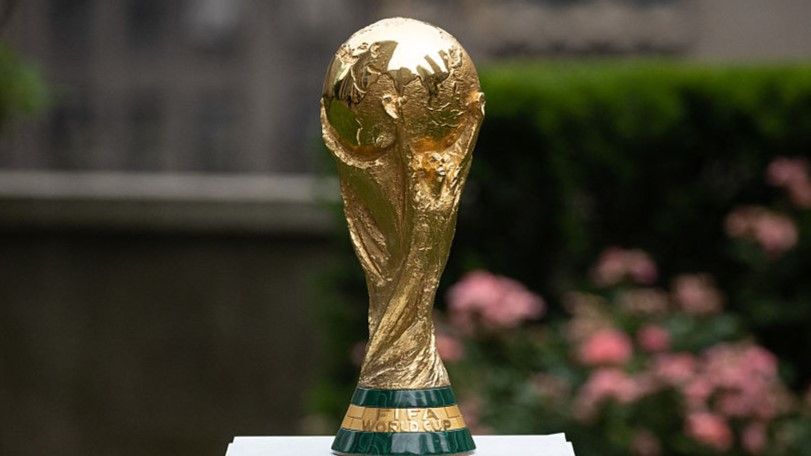
The largest sporting event in history arrives in North America this summer. For a small number of guests, it will look nothing like what most people attend.
One hundred and four matches. Three countries. Sixteen cities. Two months.
The 2026 FIFA World Cup is the biggest sporting event ever staged. And like every event at this scale, it splits into two experiences almost immediately: what most people have, and what a small number of people quietly arrange.
The suite. The seat. The access.
A private suite at MetLife Stadium — host of the final — means a dedicated space, a controlled guest list, and a service layer that removes every variable the general hospitality market cannot. No shared entrance. No queue. Floor-to-ceiling views of the pitch and a room that belongs, for the day, entirely to you.
Semi-final and final tickets at this level were never going to be a purchase. They are an arrangement. The inventory that matters moved before the draw was made. What remains available exists through relationships, not through a booking page.
Across the tournament, premium hospitality covers pitchside access before kick-off, private matchday hosting, VIP lounges with dedicated service, and pre-match environments built around the idea that the ninety minutes is the finale — not the event itself.
Arriving correctly
New York in final week does not scale gracefully. MetLife Stadium is in New Jersey. The road in on matchday, for anyone travelling conventionally, is a known and unavoidable problem.
The alternative is a helicopter transfer from Manhattan. Twenty minutes across the Hudson. You arrive at the stadium having skipped the part that ruins the day for everyone else. It is not a complicated arrangement. It simply requires someone who has already made it.
Los Angeles, Miami, Dallas — each city produces the same challenge in a different setting. Peak demand, compressed inventory, and a hospitality market that has been decided for months. For guests moving between cities during the knockout stages, private aviation is not an upgrade. It is the only version of the itinerary that actually holds together.
The hotels
The match ticket and the suite are one layer. The property you return to is another, and for a week-long stay in a host city during the tournament, it matters just as much.
In New York, the properties worth staying in are known and largely spoken for. In Miami, the right address during peak week has been reserved since last year. In Los Angeles, the canyon estates and beachfront villas above the hotel market offer something the five-star rooms cannot — space, privacy, and a base that feels like yours rather than managed.
Grand hotel suites at the right properties in each city remain available through the right channels. Not many. But available.
The guests who get this right
They are not focused on the match alone.
Their accommodation, transportation, hospitality access and movement between cities have already been considered long before kick-off. Every element works together because the planning started early.
For those still considering the tournament, opportunities remain available. The difference is knowing where to look, who to speak to, and how the various pieces fit together.
The match is almost the easy part.