Quiet Luxury Wellness Retreats
At Palazzo Fiuggi, in the hills outside Rome, a wellness stay can begin with a medical consultation rather than a massage. Blood tests, physical assessments and discussions about nutrition may form part of a programme intended to address a guest’s particular health concerns. The setting is an elegant Italian palazzo, but the experience has as much in common with a private health clinic as it does with a traditional luxury hotel.
Elsewhere, the approach is deliberately less clinical. At Six Senses Kyoto, sleep takes centre stage, while a retreat in Portugal’s Douro Valley might involve yoga, vineyard walks and several days without the usual demands of everyday life.
These properties illustrate the changing character of luxury wellness travel. The category now encompasses everything from structured medical assessments to carefully designed periods of rest, often within hotels whose architecture and service would be compelling even without a wellness programme.
The distinction matters because the most elaborate treatment schedule is not necessarily the most useful. A guest seeking help with a particular health concern may benefit from appropriate clinical expertise, while someone experiencing the fatigue of constant travel may need little more than restorative sleep, gentle movement and time away from a demanding routine.
Choosing well begins with understanding what a retreat is designed to achieve.
Palazzo Fiuggi, Italy: Where Wellness Meets Medicine
Set within a historic palazzo in the Italian thermal town of Fiuggi, Palazzo Fiuggi has established itself as a prominent destination for medical-led wellness.
Its programmes combine diagnostic assessments, physician consultations, nutrition planning and physical activity with the comforts of an exceptional hotel. The property offers dedicated approaches to longevity, weight management, recovery and other individual objectives, with certain programmes extending over seven nights or longer.
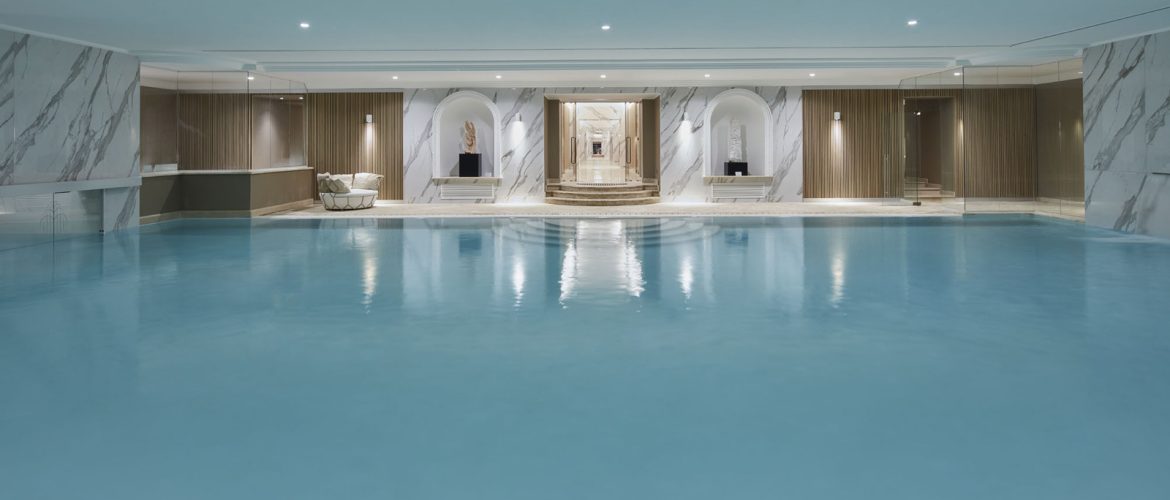
The setting is central to its appeal. The grand architecture, extensive wellness facilities and surrounding landscape create an atmosphere far removed from the conventional clinical environment. Guests can move between medical appointments, tailored exercise and carefully prepared meals without leaving the property.
Food receives particular attention through the involvement of chef Heinz Beck, whose culinary work has been integrated with the retreat’s nutritional approach. The intention is to make dietary planning part of an enjoyable hospitality experience rather than a separate and purely functional exercise.
What distinguishes Palazzo Fiuggi from a conventional spa hotel is the presence of medical assessment and individual programme design. Yet the value of those services depends on whether the tests and treatments are appropriate for the person receiving them.
An extensive diagnostic package may identify useful information, but more testing does not automatically produce better health outcomes. The important questions concern the qualifications of the clinicians, the evidence supporting each intervention and the quality of the recommendations provided when the guest returns home.
For travellers seeking a structured assessment alongside luxury accommodation, Palazzo Fiuggi represents one of the more comprehensive interpretations of the medical wellness retreat.
Six Senses Kyoto, Japan: The Luxury of Better Sleep
Sleep is one of the most frequently discussed subjects in contemporary wellness, yet it remains difficult to improve through luxury alone. A beautiful bedroom, expensive mattress and carefully prepared evening ritual may create favourable conditions, but persistent sleep difficulties can have causes that require more specific attention.
Six Senses Kyoto approaches the subject through a dedicated sleep programme that combines relaxation, lifestyle guidance and an assessment of sleeping patterns.
The programme includes sleep tracking over two nights, together with activities such as yoga nidra, meditation and treatments intended to support relaxation. Guests may also receive advice concerning nutrition, movement and the habits that influence their sleep.
Kyoto provides a particularly appropriate setting. The city’s gardens, traditional architecture and quieter cultural spaces offer opportunities to establish a slower daily rhythm, while the hotel’s contemporary interpretation of Japanese design contributes to a sense of calm.
The most interesting aspect of the programme is its attempt to extend the benefits beyond the stay. Understanding bedtime habits, environmental factors and the consistency of a sleep schedule may be more useful in the long term than any single treatment.
A short tracking assessment cannot diagnose every sleep disorder, and a retreat should not replace appropriate medical investigation where symptoms suggest an underlying condition. Nevertheless, for someone seeking to reconsider their routine, the combination of guidance and a carefully managed environment may provide a useful starting point.
Six Senses Kyoto demonstrates that a focused wellness programme need not involve an extensive collection of medical procedures to have a clear purpose.
Six Senses Douro Valley, Portugal: Rest Without the Clinical Agenda
In Portugal’s Douro Valley, Six Senses offers a markedly different interpretation of wellness.
Its three-night Reset & Reconnect retreat takes place within a landscape of terraced vineyards, wooded hills and the Douro River. The programme is built around gentle activity, relaxation and shared experiences rather than medical testing.
Yoga sessions, guided walks, massage, breathwork and creative activities provide a loose structure for the stay. The schedule also includes opportunities to engage with the region through experiences such as wine tasting and a tile-painting workshop.
The combination is revealing. Wellness here is not presented as an intensive process of physical optimisation. It is an opportunity to spend several days differently, with fewer demands on attention and enough structure to encourage guests to participate.
The property’s setting contributes considerably to the experience. The changing light across the vineyards, the slower pace of the countryside and the opportunity to spend time outdoors create conditions that are difficult to reproduce in an urban environment.
For travellers whose principal concern is fatigue, mental overload or the desire for a restorative break, this approach may be more appealing than a programme dominated by diagnostics.
It also offers an important reminder that a wellness retreat can be worthwhile without promising dramatic physical transformation. Rest, enjoyable movement and time spent in a beautiful environment have their own value.
SHA Mexico: The Clinical Wellness Model
On Mexico’s Caribbean coast, SHA Mexico represents the more medically ambitious end of luxury wellness hospitality.
The property combines contemporary architecture and oceanfront surroundings with programmes focused on health assessment, nutrition, physical performance and longevity. Its approach brings together conventional medical services, lifestyle guidance and a range of complementary or emerging interventions.
Guests can select programmes according to their objectives, with assessments intended to inform a personalised schedule. Nutrition, movement and medical consultations are central components, while more specialised treatments may be offered depending on the programme.
The attraction is the opportunity to address several aspects of health within a single residential setting, supported by an organised schedule and access to different practitioners.
However, this is also where informed judgment becomes particularly important.
The language of longevity and cellular regeneration can encompass interventions with very different levels of scientific support. Established approaches to cardiovascular health, physical activity and nutrition should not be placed on the same evidential footing as experimental regenerative treatments or procedures whose benefits remain uncertain.
Some interventions marketed within the wider wellness industry, including particular uses of stem cells, ozone therapy and intravenous treatments, may carry meaningful risks or lack convincing evidence for the outcomes claimed.
The presence of medical professionals and sophisticated equipment does not remove the need to evaluate each proposed treatment individually.
For a guest considering SHA Mexico, the most useful preparation is to establish the purpose of the visit and request a clear explanation of the recommended programme, including the evidence, potential risks and expected follow-up.
The luxury of access to specialist expertise is most valuable when that expertise supports careful, proportionate decisions.
The Difference Between a Spa and a Wellness Retreat
The distinction between a spa hotel and a wellness retreat is not always obvious from a property’s website. Both may offer beautiful treatment rooms, hydrotherapy facilities, healthy menus and opportunities for relaxation.
The more meaningful difference lies in how the experience is organised.
A spa hotel generally allows guests to select individual treatments alongside an otherwise conventional stay. A retreat places a greater emphasis on a defined programme, with activities, consultations or therapies arranged around a particular objective.
That objective might be medical assessment, improved sleep, physical recovery or simply a period of restorative rest.
A medical wellness retreat introduces additional considerations. The qualifications of the practitioners, the appropriateness of diagnostic testing and the evidence supporting proposed interventions become central to the decision.
Before booking, it is worth establishing whether a programme includes genuine medical care or primarily uses clinical language to describe conventional spa services. Guests should also understand which treatments are included, which carry additional charges and whether any results will be reviewed after departure.
Privacy deserves attention too. Medical information is considerably more sensitive than ordinary hotel preferences, and guests should be comfortable with how their records are handled and who can access them.
A well-designed retreat should make these matters clear without requiring extensive negotiation.
Choosing the Right Kind of Restoration
The most interesting development in luxury wellness is the increasing variety of experiences available. A guest can spend a week undergoing structured assessments in Italy, explore a sleep-focused programme in Kyoto or enjoy several restorative days among the vineyards of Portugal.
These experiences are not interchangeable, and their value should not be judged by the number of treatments they contain.
For some travellers, a carefully supervised medical programme may be appropriate. Others will benefit more from the simplicity of uninterrupted rest, enjoyable food, gentle exercise and time spent away from familiar pressures.
The most convincing retreat is one that understands this distinction and does not promise more than it can reasonably deliver.
Luxury can provide exceptional surroundings, attentive service and access to skilled practitioners. What makes the experience worthwhile is whether those resources are used intelligently, with an understanding of the individual rather than a predetermined idea of what wellness should look like.
The best outcome may be a useful medical recommendation, a better understanding of sleep or simply returning home feeling genuinely rested. Each has value, provided the experience was chosen for the right reason.
EXPLORE LXRY
_____________
From exceptional travel and private experiences to fine watches, fashion, interiors and specialist services, LXRY connects readers with a carefully selected network of luxury businesses.
Many of the hotels and specialists we write about are ones we have known and worked with over the past decade. If something here has caught your interest, tell us what you have in mind and we will point you in the right direction.
Enquire Now