
The Europe Nobody Told You About
The well-travelled have done the obvious. This summer, the more interesting question is what comes next.
There is a version of Europe that does not appear on the same lists every year.
It is not hidden exactly. The people who know it have always known it. They simply have not been particularly eager to share. This summer, with long-haul travel facing headwinds and the familiar destinations feeling increasingly familiar, that version of Europe is worth paying closer attention to.
These are five destinations that reward the effort of getting there properly.
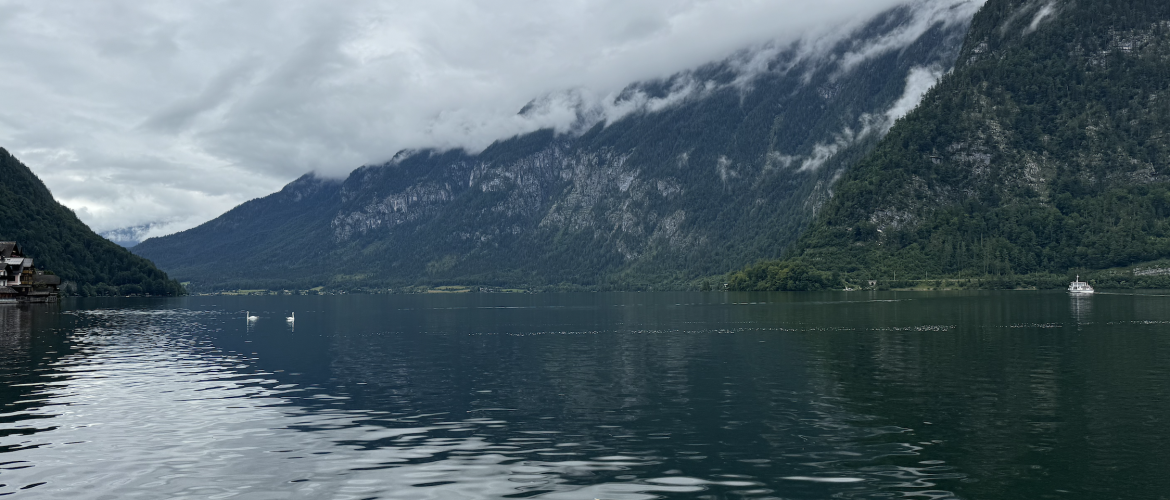
Hallstatt, Austria The village everybody photographs but very few experience correctly.
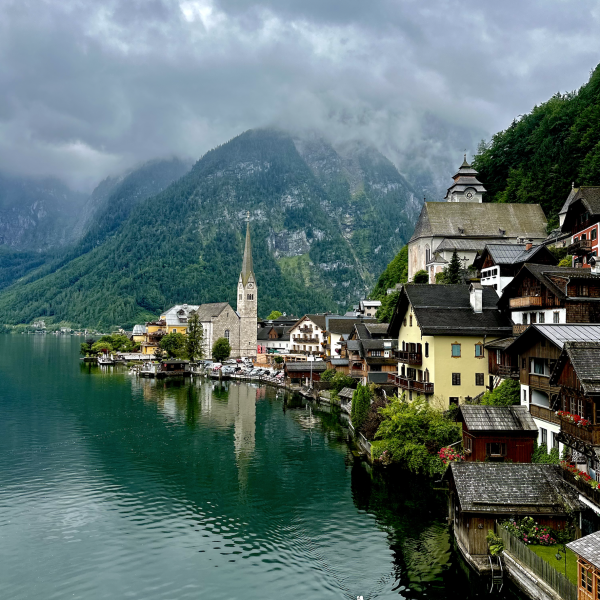
Hallstatt may be the most reproduced image in European travel. The pastel houses, the lake, the mountains behind. It exists on millions of screens and very few people’s memories, because most visitors arrive on a day trip, spend two hours on the main street and leave before the light changes.
The point of Hallstatt is not the photograph. It is the morning before the coaches arrive and the evening after they leave. It is staying overnight in one of the small guesthouses above the water and watching the village return to itself once the crowds have gone. The scenery does not change. The experience becomes something else entirely.
Getting there is straightforward from Salzburg or Vienna. The mistake is treating it as a stop rather than a destination.
Lake Brienz, Switzerland The Switzerland people imagine before they arrive.
Everyone knows Switzerland. Fewer people find Lake Brienz rather than Lucerne, and fewer still discover the villages that sit along its northern shore — Brienz itself, Iseltwald, the approach to Grindelwald through country that looks engineered for the purpose of being beautiful.
The water at Brienz is a particular shade of turquoise that does not look real in photographs and looks even less real in person. The crowds that make parts of Switzerland feel like a theme park in summer have not fully arrived here yet. The infrastructure is excellent, the hotels are serious, and the pace is the thing Switzerland used to be known for before it became known for being expensive.
For a few days between other plans, Lake Brienz is the version of Switzerland worth finding.
Lisbon, Portugal Europe’s most complete city break, still refusing to become predictable.
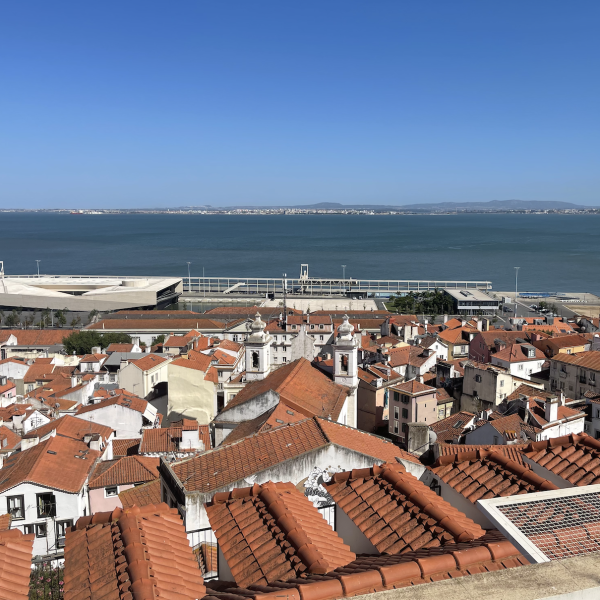
Lisbon is not exactly hidden. It has not been hidden for several years. What it has managed, unusually, is to absorb significant international attention without losing the qualities that attracted it in the first place. The hills. The light. The food at every level from a pastel de nata eaten standing up to a serious dinner in Príncipe Real. The coastline twenty minutes away at Cascais or Estoril. The sense that the city is still slightly underpriced relative to what it offers.
For a long weekend or a week, Lisbon remains one of the strongest arguments in European travel. The combination of weather, culture, coastline and quality of life that exists here is genuinely rare. Most cities that develop this kind of reputation price themselves out of it within a decade. Lisbon has been more resistant to that process than most.
It rewards staying properly rather than rushing. The neighbourhoods that matter — Alfama, Mouraria, LX Factory on a weekend — take time to understand. The day trips to Sintra and Setúbal are worth building in. The Atlantic is always close.
Kotor, Montenegro The Adriatic before the crowds arrived.
Montenegro’s Bay of Kotor is one of the most dramatic coastal landscapes in Europe. The bay itself is almost enclosed, surrounded by limestone mountains that drop directly into the water, with the medieval walled city of Kotor at its southern end. The old town is intact, genuinely so, in a way that the more visited parts of the Croatian coast are no longer entirely.
The Adriatic coast has been developing fast — Dubrovnik is the obvious example of what happens when a beautiful place becomes a destination rather than somewhere people actually go. Kotor is not there yet. The infrastructure has improved considerably, the hotels are serious, and the sailing in the bay is among the best in the region. What it retains, for now, is the quality of somewhere that rewards being sought out rather than simply showing up.
Porto Montenegro at Tivat provides the facilities for serious yachts and the kind of base that makes the whole coastline accessible. For a sailing trip or a week based in the bay, Montenegro is the Adriatic answer that most people have not asked yet.
Comporta, Portugal Portugal’s quiet answer to the Mediterranean resort boom.
Rice fields, pine forests and miles of Atlantic coastline have helped Comporta remain one of Europe’s most understated luxury destinations. It sits south of Lisbon, roughly ninety minutes by road, and it has managed something that almost no comparable destination in Europe has achieved — it has attracted a discerning crowd while remaining almost entirely uncommercial in feel.
The beaches are vast and largely empty. The architecture is low-rise and largely sympathetic, protected by planning restrictions that have kept the apartment developments and beach clubs that define the Mediterranean resort experience from taking hold. The crowd that comes here tends to be the kind that would prefer it did not become more widely known.
It is not Saint Tropez. It is not trying to be. The comparison that comes to mind is what Saint Tropez felt like before it needed to become Saint Tropez — the pine forests, the discretion, the sense that the place itself is the point rather than the scene around it. The Atlantic rather than the Mediterranean means the light is different, the beaches are wilder and the water is cooler. For people who have spent summers on the same stretch of coastline for twenty years and are ready for something that does not feel like a replica of everywhere else, Comporta is the answer that has been sitting there quietly.
It will not stay quiet indefinitely. The people who know it are already aware of that.